 infantis
Start with the problem and its context
We examine the health challenge, the people affected, the service environment and the constraints that shape possible responses before determining what technology is appropriate.
Infantis develops technologies that help people, health workers and institutions use information more effectively across homes, communities and health services.
Our work begins with health and social challenges, not with technology alone.
Digital health initiatives can struggle when connectivity, language, trust, affordability, health-worker capacity and existing institutional systems are treated as secondary implementation concerns.
In practice, these conditions determine whether a technology is useful, equitable and sustainable.
Infantis designs around the realities of families, communities and health institutions from the beginning. This helps us develop solutions that respond to practical needs while strengthening the systems and relationships already supporting health.
For Infantis, social innovation means developing better ways for people, health workers and institutions to organise information, coordinate services and respond to health needs.
We examine the health challenge, the people affected, the service environment and the constraints that shape possible responses before determining what technology is appropriate.
Caregivers, community health workers, health professionals, programme managers and institutional partners contribute to defining the problem and shaping the response.
We design solutions that can fit within established health services, reporting requirements and information systems. Adoption is more likely when technology strengthens existing work rather than requiring institutions to rebuild around it.
Language, connectivity, shared devices, affordability, digital literacy and trust are treated as core design requirements.
Privacy, safety, appropriate permissions, data governance and responsible artificial intelligence are considered throughout product development and implementation.
We use evidence from users, programmes and institutional partners to improve usability, implementation and suitability across contexts.
Technology, languages, workflows and programme configurations are designed so that solutions can be adapted across countries and institutions without assuming that every setting is the same.
Tools that help families, community health workers and health professionals organise information and maintain continuity between homes, communities and health facilities.
Flagship platform: Infantis28
Configurable technology that helps institutions bring together programme information, strengthen follow-up and generate useful insight for service delivery, planning and learning.
Platform: Infantis Enterprise
Carefully bounded applications of artificial intelligence that support access to information, communication, analysis and health-service workflows without replacing professional judgement.
Technologies that make climate and environmental information more useful for health awareness, preparedness, programme delivery and institutional decision-making.
Platform: CHIP-EC
Interoperability capabilities, application programming interfaces and reusable data services that help approved systems exchange information and support wider digital-health ecosystems.
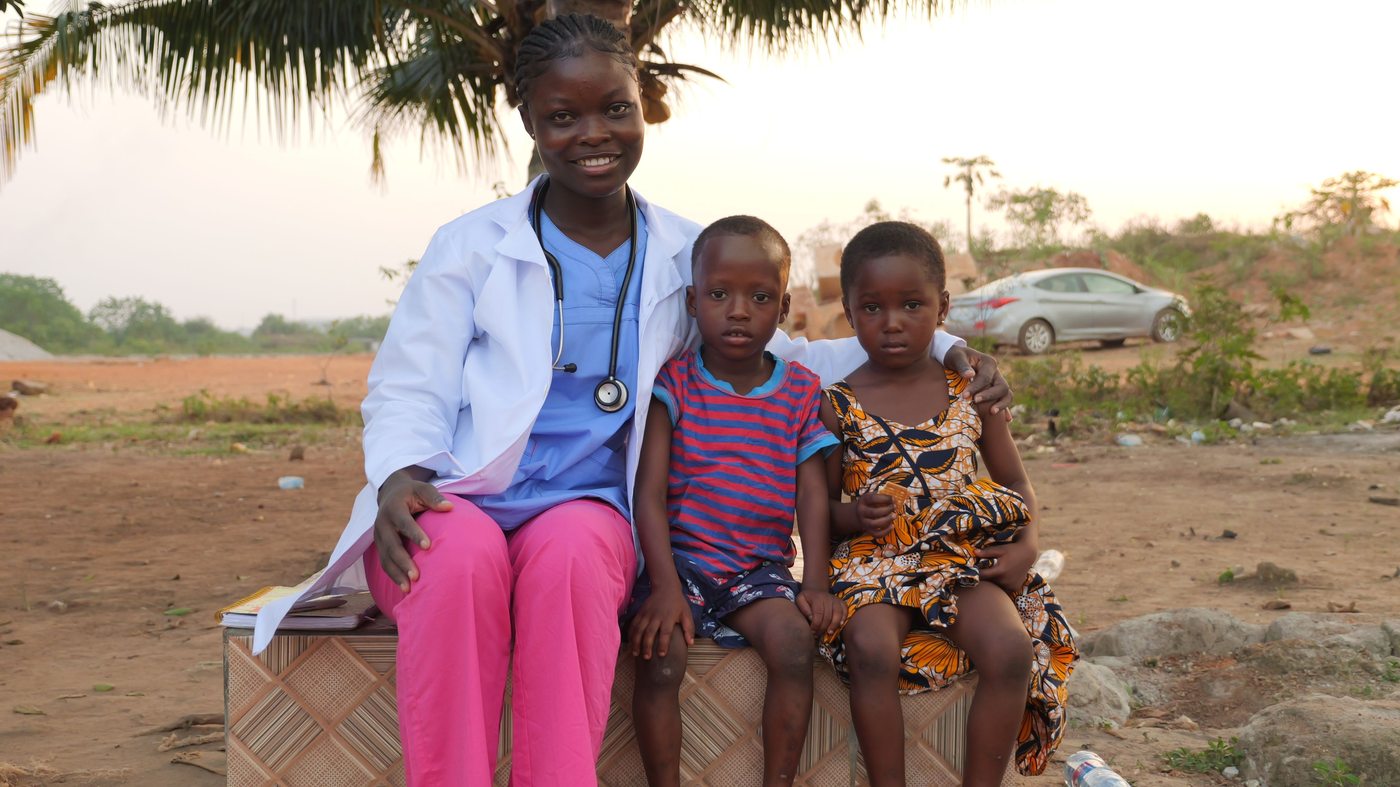
Our work can result in family-facing applications, community health worker tools, institutional platforms, programme dashboards, application programming interfaces and shared digital infrastructure.
The specific form of each solution depends on the problem, the people who will use it and the health system in which it must operate.
This approach allows Infantis to develop individual products while also creating capabilities that can be configured for institutions, integrated with other systems or adapted for wider public-health use.
Heat, air pollution, floods, changing disease patterns and disruptions to food, water and essential services can affect health directly while placing additional pressure on health systems.
The effects are not distributed equally. Infants, children, pregnant women, older people, people with existing health conditions and communities with limited resources may face greater exposure or have fewer options for protection and recovery.
Useful environmental data exists, but it does not always reach families, health workers and institutions in forms that support practical decisions.
Infantis Climate & Health focuses on closing this gap by connecting environmental information with relevant health contexts.
The Climate-Health Intelligence Platform for Early Childhood, known as CHIP-EC, is an Infantis platform for translating climate and environmental information into locally relevant health intelligence. It began with the youngest and most vulnerable population and is being designed so the same capabilities can serve other groups and health priorities.
CHIP-EC provides a foundation for developing context-specific tools and services for families, community health workers, health programmes and public institutions.
CHIP-EC is designed as adaptable infrastructure rather than as one fixed application. This allows climate and health capabilities to support Infantis products as well as approved institutional and partner systems.
Where appropriate, Infantis may make selected technical components, standards or implementation resources openly available, balancing public value against privacy, safety, partner agreements and the integrity of our platforms.
Depending on the implementation context, these capabilities may support:
We welcome collaboration with governments, health institutions, researchers, implementing organisations, funders, investors and technology partners working to address gaps in health information, service delivery and institutional decision-making.
Partnerships may support research, co-design, implementation, evaluation, technology integration or responsible expansion into new settings.
Contact: partners@infantis28.org