 infantis
Health risks are unequally distributed
The burden of preventable illness and mortality remains concentrated in settings where access to timely, high-quality health services is most constrained.
Infantis is grounded in established global-health evidence and shaped by the experiences of families, health workers and institutions.
We build evidence into product development, implementation and evaluation. We distinguish clearly between established research, what we have learned through engagement, what we are testing and what has been demonstrated.
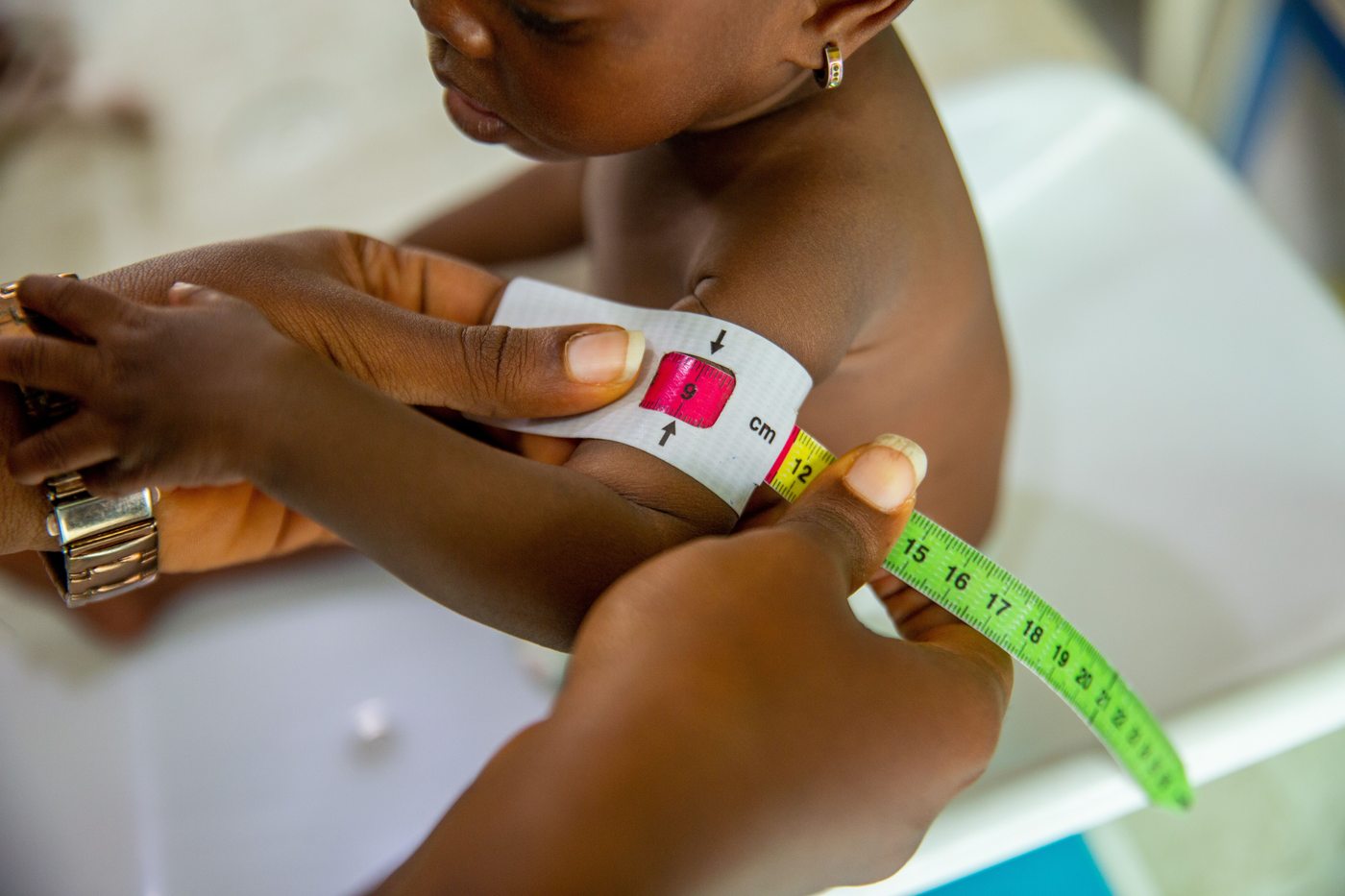
Families and communities are not passive recipients of health services. They observe, remember, organise and act on health information every day.
Yet much of this knowledge remains within households or becomes fragmented between families, community health workers, health facilities and programmes. Families may have to rely on memory, health workers may have an incomplete picture between visits, and institutions may struggle to see where follow-up or service delivery is breaking down.
When knowledge can move responsibly between households, community health workers, health professionals and institutions, health services can become more continuous, participatory and responsive.
Our thesis is that better continuity of information can strengthen continuity of care. Technology does not replace health workers or functioning health services. It can help people participate more meaningfully in their health journeys and connect with services more effectively.
The burden of preventable illness and mortality remains concentrated in settings where access to timely, high-quality health services is most constrained.
In 2024, 2.3 million children died during their first month of life, representing 47 per cent of all deaths among children under five. Close to three-quarters of neonatal deaths occur during the first week.
Families make important decisions between scheduled visits. Continuity depends partly on their ability to recognise change, preserve useful information and communicate with health workers when support is needed.
Community health workers play an important role in health promotion, follow-up, referral and access to essential services, particularly where health facilities and specialised workers are not easily accessible.
Connectivity, language, literacy, affordability, trust, workflow and institutional capacity affect whether a digital-health intervention is accessible, adopted and sustained.
Heat, air pollution, floods, changing disease patterns and disruptions to food, water and essential services can increase health risks and place additional pressure on families and health systems.
Sources include the United Nations Inter-agency Group for Child Mortality Estimation, UNICEF, the World Health Organization and recognised global digital-health guidance.
Families manage health between formal visits, but their observations and knowledge do not always travel with them through the health system.
Families, community health workers and health professionals use appropriate tools to organise, understand and share useful information.
Health conversations are supported by clearer information, families can participate more meaningfully, and follow-up can become more informed and consistent.
Institutions gain better visibility into programme delivery and can use timely information to strengthen coordination, learning and resource decisions.
Health systems become more continuous, equitable, participatory, responsive and better prepared to support people across different health journeys.
Conditions for change. This pathway depends on user trust, responsible implementation, health-worker participation, appropriate governance and access to functioning health services. Infantis supports these systems but does not replace them.
The shared Theory of Change guides the Infantis portfolio. Each product and institutional deployment will also have a context-specific results framework based on its intended users, setting and outcomes.

Our understanding comes from engagement with caregivers across Kenya, Tanzania, Rwanda and the United States, alongside health professionals and programme partners who shape what we build.
Families and communities should be able to participate meaningfully in organising and communicating health information that affects their lives.
Technology should be designed around differences in language, connectivity, literacy, income, geography, disability and access to health services.
People should understand how their information is used and retain appropriate control over access, participation and information-sharing.
Sustainable change requires collaboration with families, communities, health workers, institutions, governments and other organisations already supporting health.
Health technologies should operate within clear boundaries, support professional judgement and avoid encouraging inappropriate reliance.
We should measure intended benefits, unintended effects and who may be excluded, underserved or disadvantaged.
Product content and programme configurations draw on recognised health guidance, standards and national requirements appropriate to each implementation.
Engagement with more than 30 mothers across Kenya, Tanzania, Rwanda and the United States has helped identify everyday information needs, caregiving realities and barriers that technologies must address.
Health professionals, programme stakeholders and implementation partners help us understand health-service workflows, safety requirements and the information needed at different levels of the system.
Testing examines whether people can understand and use the technology, whether it fits existing routines and where changes are needed.
Deployments are designed to generate evidence about adoption, continuity, service-delivery value, equity, safety and the conditions required for responsible scale.
Who can access and use the technology, who is excluded and how participation differs across populations and settings.
Whether people understand the technology, find it useful, trust its information and can use it safely.
Whether families and communities are better able to organise information, communicate their experiences and participate in health conversations.
Whether useful information is maintained between visits and supports clearer communication, referrals and follow-up.
Whether tools support community health workers and health professionals without creating unnecessary workload or disrupting established services.
Whether programme intelligence improves visibility, coordination, reporting, learning or resource decisions.
Whether users misunderstand information, rely on the technology inappropriately or experience other intended or unintended consequences.
Whether environmental information supports awareness, preparedness, programme planning or institutional decision-making.
Health outcomes will be assessed only where the implementation, sample, timeframe and study design allow credible measurement. Infantis will not attribute changes in health outcomes to its technology without appropriate evidence.
External research and recognised guidance define the health and health-system challenges our work addresses.
Engagement with families, health workers and institutions helps define user needs, programme requirements and appropriate responses.
Usability, accessibility, reliability and safety testing determine whether the technology performs as intended.
Pilots and deployments examine adoption, feasibility, workflow fit, continuity, equity and programme value in real settings.
Appropriately designed evaluations assess whether implementation contributes to measurable changes in services, behaviours or health outcomes.
We describe our stage and evidence accurately. Public claims about implementation, institutional performance or health outcomes will be made only when supported by verified findings.
Our research and evaluation priorities include:
We work with health institutions, governments, implementing organisations, communities, researchers and funders to define appropriate questions, indicators, governance arrangements and learning plans.
Depending on the programme, this may include formative research, usability studies, implementation research, mixed-methods evaluation, independent evaluation or longer-term impact studies.
Research involving people or health information must follow appropriate consent, ethics, privacy and data-governance requirements. These arrangements are established with the relevant institutional and national bodies before a study begins.
As evidence becomes available, we intend to share appropriate research protocols, implementation briefs, evaluation reports, publications, methodological notes and verified programme results.
Publication and data-sharing decisions will remain subject to ethical requirements, participant protection, data-governance obligations and partner agreements.
We welcome partners interested in implementing, studying, evaluating or funding responsible health and social innovation.
Whether you represent a community, health institution, government, university, research organisation, implementation partner or funder, we would be interested in discussing how evidence, participation and learning can be built into the work from the beginning.
Contact: partners@infantis28.org